
We have dealt with Freemasonry elsewhere on this site. I think that most men who are members of a Masonic Lodge do not truly understand the religious and spiritual basis of Masonry. It is really not Christian at all. However, there are many Christian men and women in the Lodge and in the Eastern Star who are unaware of the spiritual dangers of the Masonic system. Our hope and prayer is that God will awaken them to the truth. Our goal is not to attack Masons, but to reveal the truth about Masonry. With this object in mind, we offer these questions for consideration by any Christian who is a Mason. Continue reading
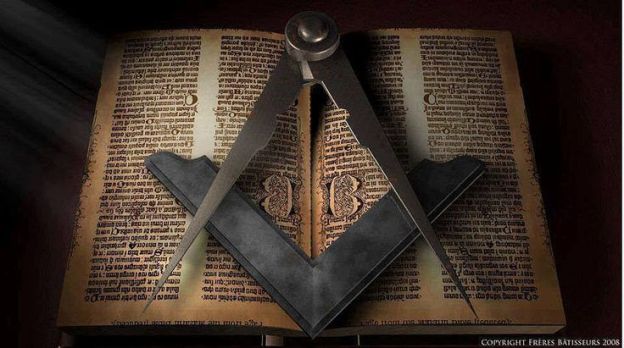
Questions for the Christian Freemason
Leave a reply
 TRUTH BUILDERS MINISTRIES